Sign n Pay: Reliable Digital Payment Services
Why Your Business Needs an E-Sign API: Modernizing Document Signing in 2026
In 2026, the need for efficient document signing solutions continues to grow significantly. Organizations are under mounting pressure to embrace digital workflows and remote operations. E-Signature APIs present a simplified pathway to gathering digital signatures, minimizing delays and administrative burdens. Yet, this transition comes with its own set of obstacles. Recognizing the key benefits and adoption strategies can place businesses ahead of the curve in a competitive landscape. What factors should organizations consider before integrating this type of platform?
The Emergence of E-Sign APIs: Why They Are Essential in 2026
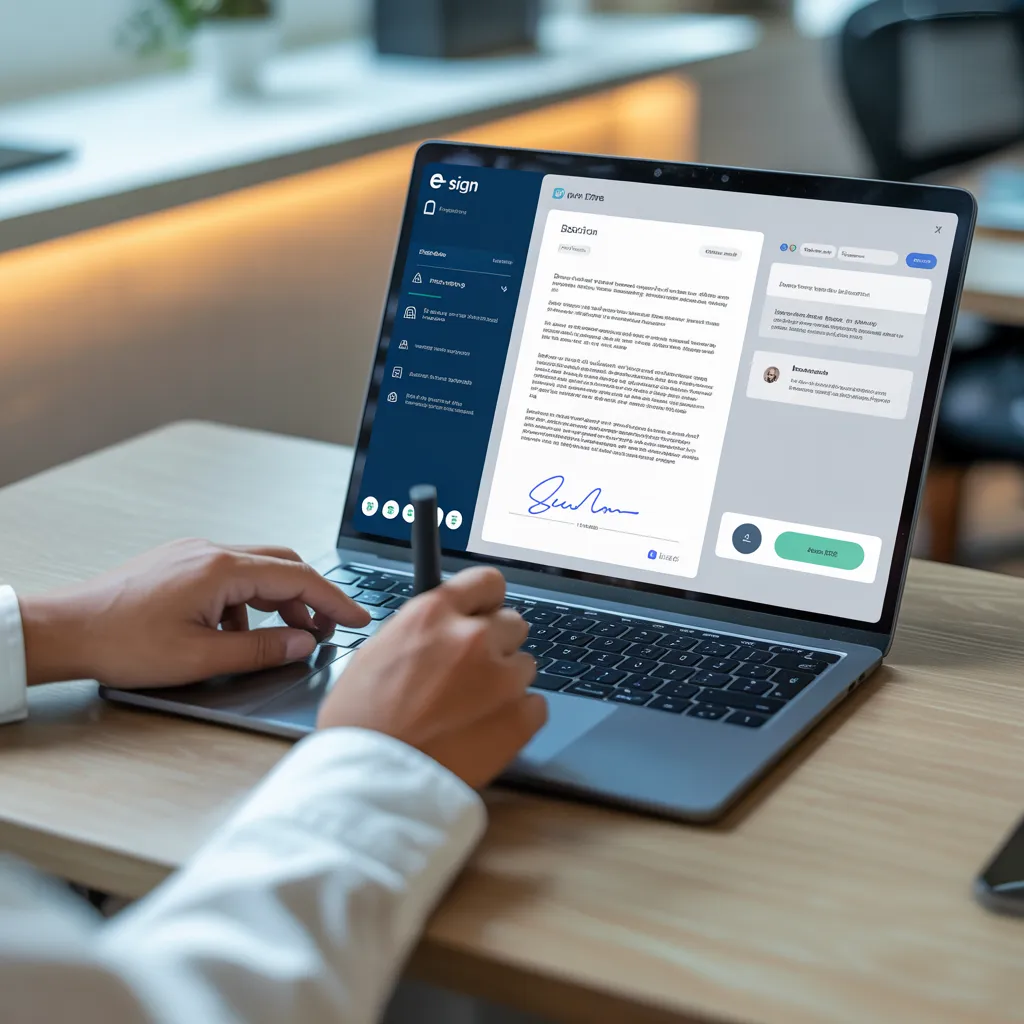
In what ways have E-Sign APIs reshaped the business world by 2026? The rise of E-Sign APIs has significantly transformed the way organizations handle document workflows. By streamlining the signing process, businesses have enhanced efficiency and reduced turnaround times, allowing for quicker transactions and decision-making. Incorporating E-Sign APIs into current systems has created smooth workflows, removing the requirement for physical signatures and paper-based documents. This shift has not only lowered expenses related to printing and mailing but has also supported sustainability initiatives by decreasing paper waste. Within a competitive market, organizations adopting E-Sign technology have achieved a notable benefit, elevating customer experiences through more efficient service. Furthermore, the growth of remote work has hastened the uptake of digital tools, rendering E-Sign APIs indispensable for companies seeking to stay flexible and adaptive. Therefore, by 2026, E-Sign APIs have established themselves as fundamental to modern business practices, boosting both operational effectiveness and customer fulfillment.
5 Key Benefits of Implementing an E-Sign API
Adopting an E-Sign API gives organizations various important benefits. These benefits include greater efficiency in business workflows, enhanced security measures for documents, and budget-friendly management strategies. Recognizing these important aspects can help organizations make informed decisions about implementing digital signature technology.
Improved Efficiency In Workflows
Adopting an electronic signature API modernizes business operations by optimizing document management processes. By modernizing the signature collection process, enterprises can decrease the delays commonly linked to traditional signing methods. This optimization accelerates processing times, permitting teams to finalize agreements and close deals more quickly. Moreover, deploying electronic signature solutions decreases the requirement for paper-based documentation, lowering back-office burdens and enhancing workplace productivity. Workers can focus on strategic initiatives instead of chasing signatures or managing documents. Moreover, live tracking and instant notifications confirm that all involved parties are informed of the status of documents, supporting seamless teamwork. Ultimately, implementing an electronic signature API fosters an efficient and flexible business ecosystem, enabling organizations to keep pace with shifting business requirements and customer expectations.
Advanced Security Features
A major strength of employing an E-Sign API is the enhanced security it delivers for digital transactions. Such APIs integrate advanced encryption protocols, ensuring that sensitive information stays secure during the signing process. Additionally, they often offer robust authentication methods, such as multi-factor authentication and biometric verification, which assist in verifying the identity of signers. This lowers the risk of fraud and unauthorized access, instilling greater trust in digital agreements. Furthermore, E-Sign APIs maintain a detailed audit trail, documenting every action taken during the signing process, which can be vital for compliance and legal purposes. In summary, advanced security measures not only shield companies but also build confidence among clients and partners, making digital transactions safer and more reliable.
Affordable Document Management Solutions
Unlocking substantial cost reductions, businesses increasingly turn to E-Sign APIs for streamlined document management. By automating the signing process, companies decrease paper consumption and corresponding print-related expenditures, fostering a greener operational approach. Additionally, E-Sign APIs minimize administrative expenses by eliminating the need for physical storage and courier services. This modernization effort speeds up processing timelines, allowing companies to close deals faster and enhance cash flow. Beyond that, the implementation of E-Sign API technology eases conformity with legal obligations, helping to avoid expensive fines. Overall, implementing E-Sign API solutions not only fosters efficiency but also leads to substantial financial savings, establishing it as an essential tool for companies striving to maintain a competitive edge in today's rapidly changing market.
Handling Common Document Signing Difficulties
Within the realm of document signing, organizations frequently encounter obstacles including inefficient manual processes and heightened security and compliance concerns. Such challenges can impede business productivity and leave organizations vulnerable to significant risks. Resolving these concerns is critical for unlocking the full potential of an E-Sign API.
Outdated Manual Workflows
Conventional approaches to document signing commonly result in notable inefficiencies that hinder business operations. Companies often experience holdups stemming from the tedious cycle of printing, signing, scanning, and sending documents. These manual workflows can result in lost documents, miscommunication, and errors, which ultimately prolong the signing process. Furthermore, reliance on physical signatures can hinder remote work and collaboration, restricting productivity. Staff members can waste valuable time chasing down approvals, pulling their attention away from essential duties. Furthermore, the absence of automated systems elevates the likelihood of compliance problems, since manual workflows cannot ensure accurate documentation. Adopting an e-signature system can address these difficulties, simplifying processes and empowering companies to perform more productively in a modern digital setting.
Security and Compliance Challenges
Tackling compliance and security challenges is critical for companies embracing digital signature platforms. As digital transactions increase, businesses face obstacles related to data breaches, unauthorized access, and regulatory compliance. Electronic signature APIs offer advanced security features such as authentication, encryption, and audit trails, which help mitigate these risks. Conformity with regulatory standards like the GDPR and ESIGN Act is critical, confirming that e-signatures maintain legal standing. Businesses must also evaluate the adoption of e-signing platforms with established security measures to safeguard sensitive information. By focusing on these elements, organizations can enhance trust with clients and stakeholders while simplifying the document signing experience. Therefore, a thorough methodology for security and regulatory adherence is important for fully leveraging e-signature technology.
How to Seamlessly Integrate E-Sign APIs
Implementing E-Sign APIs can simplify document signing workflows for organizations, enhancing efficiency and reducing turnaround times. To begin, businesses should assess their unique requirements and select an API that matches their goals. Leading solutions include DocuSign, Adobe Sign, and HelloSign, each delivering specialized functionalities.
Next, programmers can take advantage of the API reference materials, which generally contains sample code and implementation guides. By using RESTful APIs, companies can seamlessly integrate their established systems, such as customer relationship management tools or document management systems. Integrating secure authentication methods, like OAuth protocols, guarantees that data stays secure throughout all transactions.
Examining the implementation in a test environment helps organizations to address potential challenges before going live. Finally, preparing team members on the updated platform can improve user acceptance and optimize workflows. By following these steps, businesses can seamlessly incorporate E-Sign APIs and substantially optimize their digital signing operations.
Boosting Security and Compliance Using E-Signing APIs?
Not true. Incorporating e-signature APIs greatly strengthens security measures and regulatory compliance for organizations. Such APIs employ robust encryption standards to safeguard confidential information during transmission, making certain that documents are kept private and protected from tampering. By utilizing advanced authentication techniques, including layered authentication, organizations can confirm the identity of signers, reducing the risk of fraud.
Additionally, Electronic Signature APIs typically feature detailed audit records that track all actions performed on a document. This aspect is crucial for compliance with regulations like the ESIGN Act and the UETA. Organizations can showcase compliance with legal standards, confirming that executed documents remain legally acknowledged and binding.
In a rapidly evolving digital environment, prioritizing security and compliance through E-Sign APIs not only protects sensitive data but also builds trust with clients and partners. This preventive measure is vital for upholding a reputable business.
Emerging Trends in E-Sign Technology for 2026
As organizations keep information focusing on security and compliance through E-Sign APIs, the world of digital signatures is transforming quickly. In 2026, several emerging trends are shaping this technology. Artificial intelligence (AI) is increasingly integrated into e-sign solutions, improving the user experience through the automation of tasks including document verification and personalized user interactions. Moreover, blockchain technology is gaining traction, delivering permanent transaction logs and strengthening the reliability of digital signatures.
One other notable trend is the growth of mobile-focused platforms, permitting users to complete document signing smoothly on different devices. This change accommodates a growing remote workforce, streamlining processes across different platforms. Additionally, enhanced biometric authentication methods are being adopted, further bolstering security. As the demand for efficient, secure signing solutions grows, businesses must adapt to these trends to remain competitive and ensure adherence in an evolving regulatory landscape.
Common Questions and Answers
What Are the Expenses Involved in Implementing an E-Sign API?
The costs associated with implementing an electronic signature API typically include subscription fees, integration expenses, compliance and security measures, potential training for staff, and ongoing maintenance. Budget considerations should encompass both one-time setup costs and ongoing financial obligations.
How Can an E-Sign API Enhance the Customer Experience?
An electronic signature API elevates user experience by providing a frictionless, effective signing process. It cuts down on waiting periods, does away with paper-based complications, and provides convenience, empowering customers to complete transactions rapidly and reliably from any platform or device.
Can E-Sign APIs Be Used for International Transactions?
Yes, electronic signature APIs can accommodate international transactions, enabling uninterrupted document signing across multiple nations. They boost efficiency, secure compliance with various regulations, and deliver a reliable method for cross-border participants to execute agreements in a timely manner.
What Types of Documents Can Be Signed Electronically?
Many different documents support electronic signatures, including contracts, agreements, invoices, consent forms, and legal notices. This adaptability boosts productivity across various industries, facilitating quicker transactions and reducing the reliance on physical paperwork for documentation processes.
Can E-Sign APIs Integrate With Existing Software Systems?
E-signature APIs are typically built to be supportive of existing software systems, offering integration capabilities that facilitate smooth integration into various platforms. This enhances process efficiency and accommodates a wide range of business applications and document handling solutions.